Tasmania is the island state hanging south of the Australian mainland, separated by Bass Strait and close enough that a long weekend can look plausible on a calendar. The calendar is often the first mistake. Distances compress on a small-scale map. They lengthen again in a southerly, on a highland plateau, or behind a logging truck on a single-lane stretch that is still, technically, a highway.
This site is an independent rebuild of a 2000s–2013 visitor guide that once collected east-coast loops, a west-coast and Wineglass Bay sketch, southern days, and notes on four-wheel-drive country. The later spam layer — share-price posts, guest-blog junk, query-string leftovers — is gone. The useful question remains: how do you choose a Tasmania trip that fits the days you actually have?
The island is not a greatest-hits list
Around 40 per cent of Tasmania is reserved as national parks, conservation areas or other protected land. The Tasmanian Wilderness World Heritage Area covers about 1.58 million hectares — roughly a quarter of the island — and was inscribed in 1982 for both natural and cultural values. Palawa / Tasmanian Aboriginal people have lived with this landscape for at least 35,000 years. That is not decoration for a brochure. It is the long context under every lookout.
There are nineteen national parks, managed by the Tasmania Parks and Wildlife Service. A parks pass is required for entry to those parks. Most reserves and conservation areas are a different arrangement. Pass products, hours and track alerts change; the park site is the source that wins.
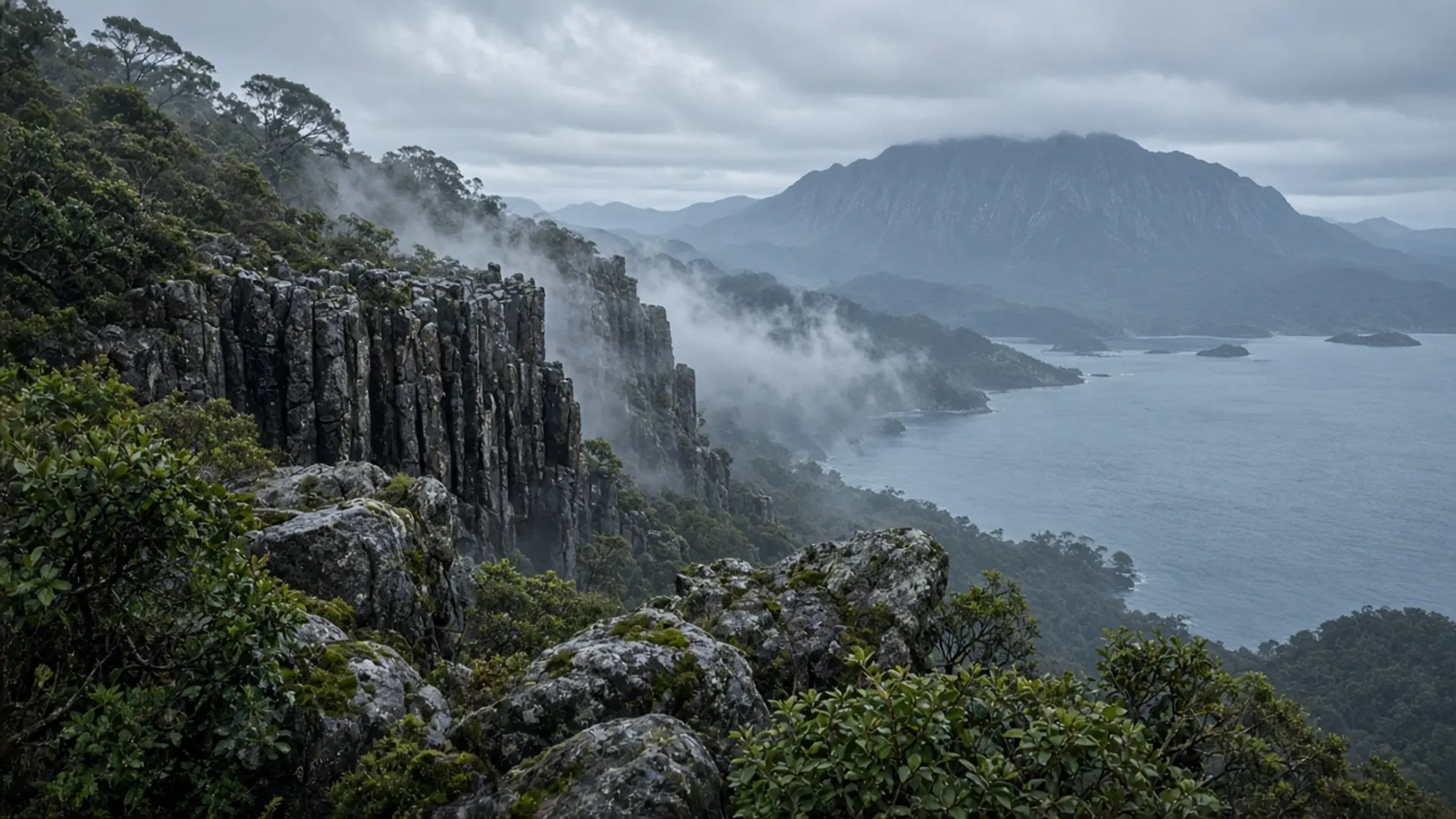
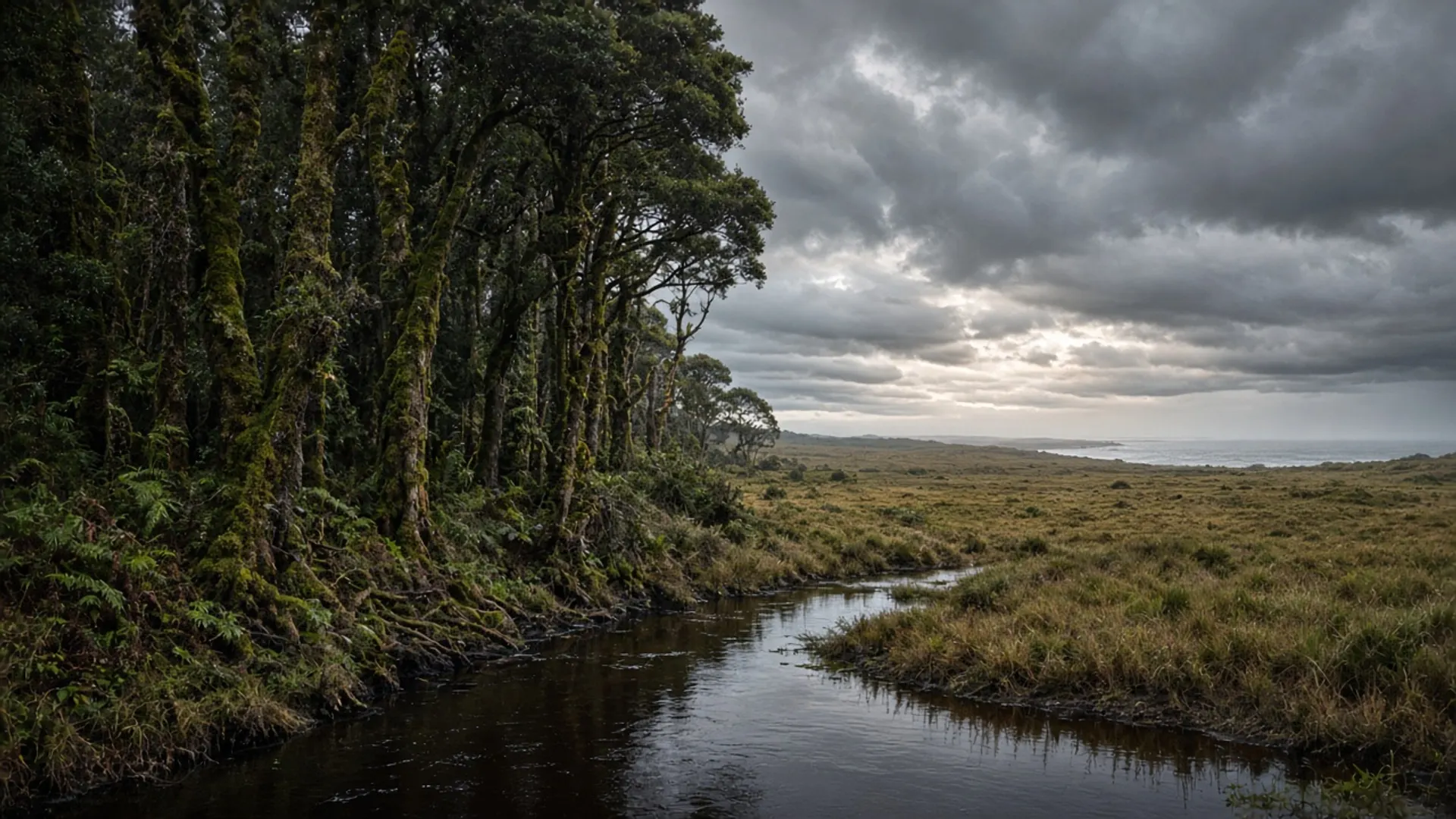
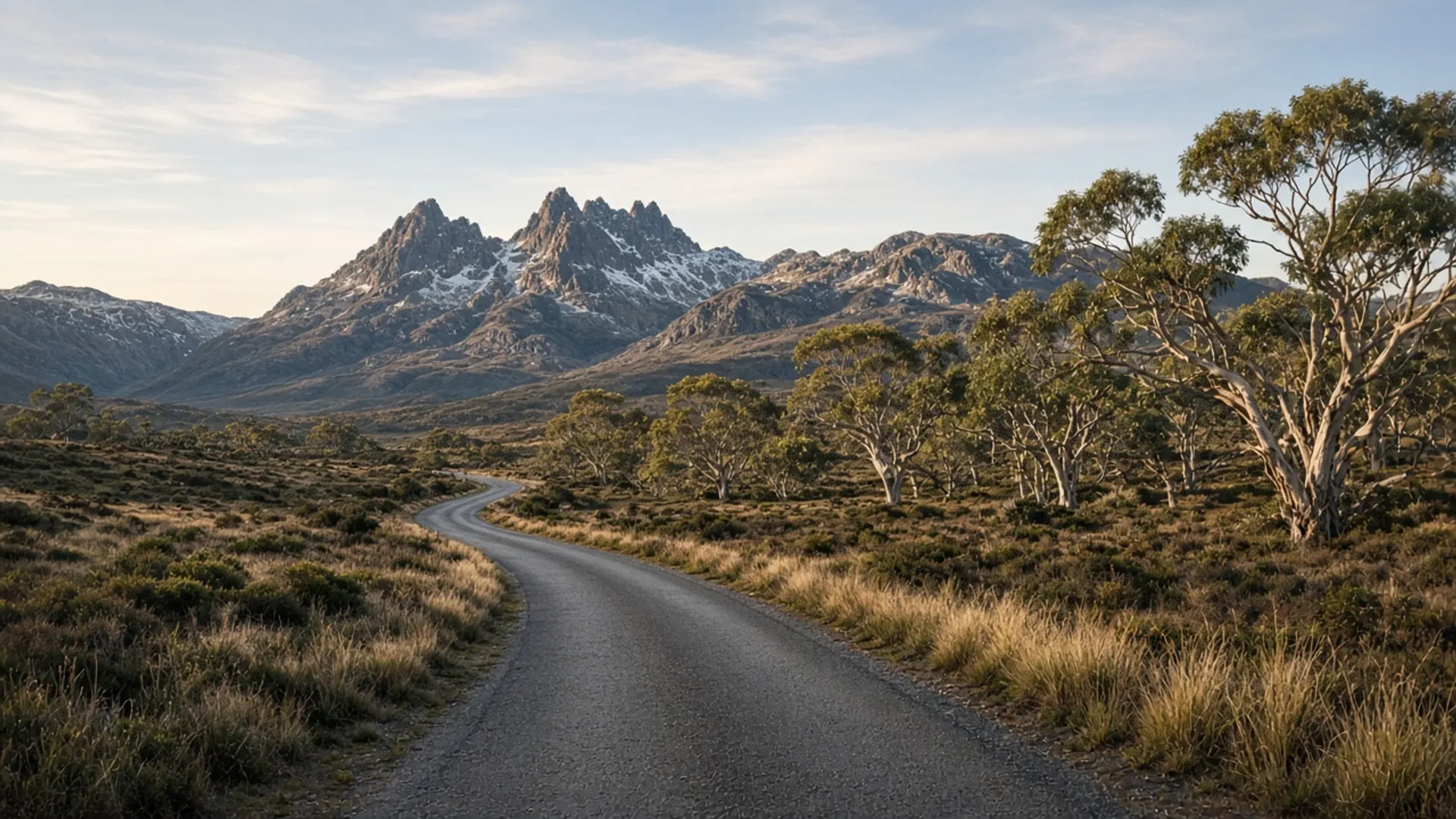
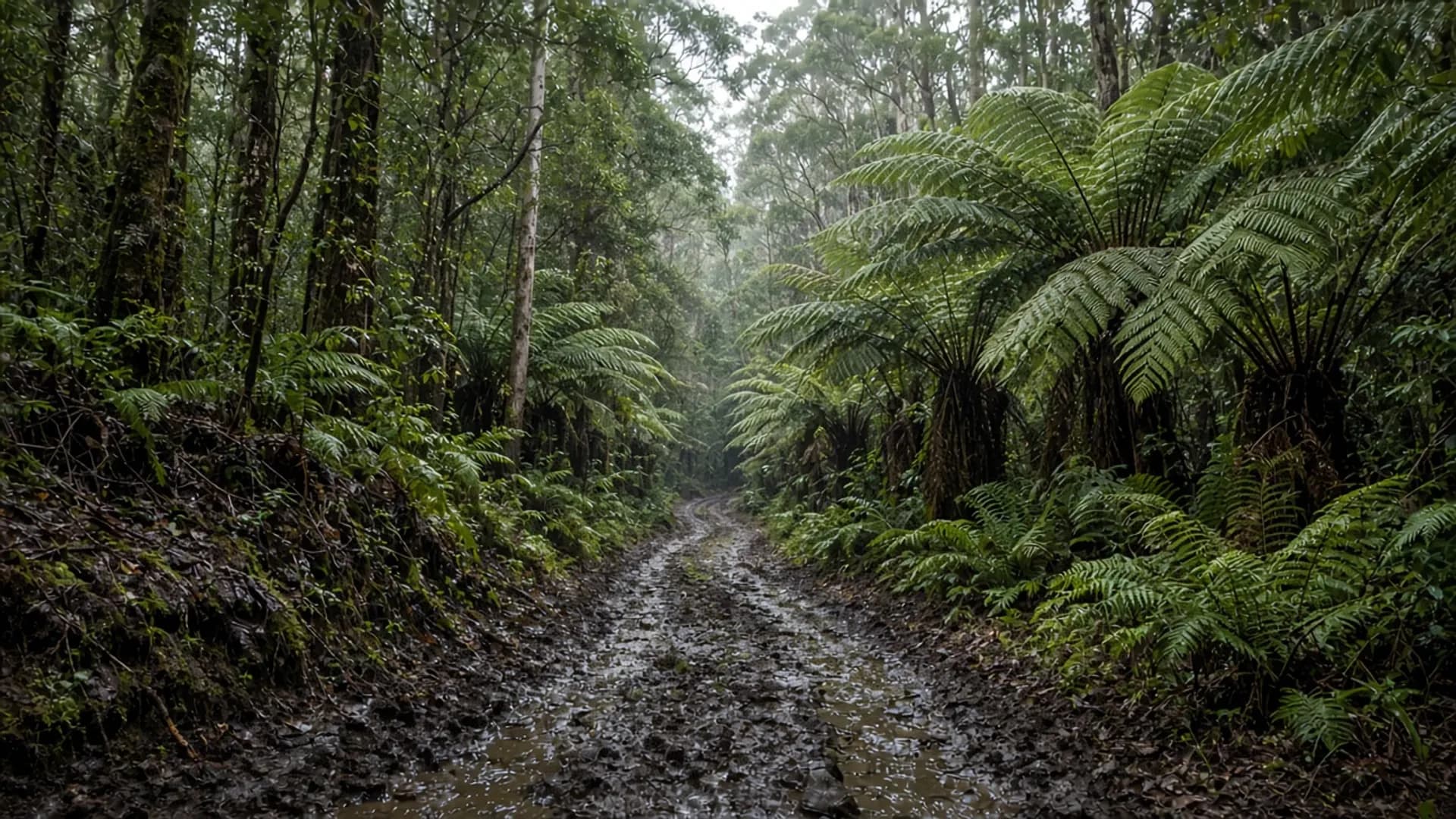
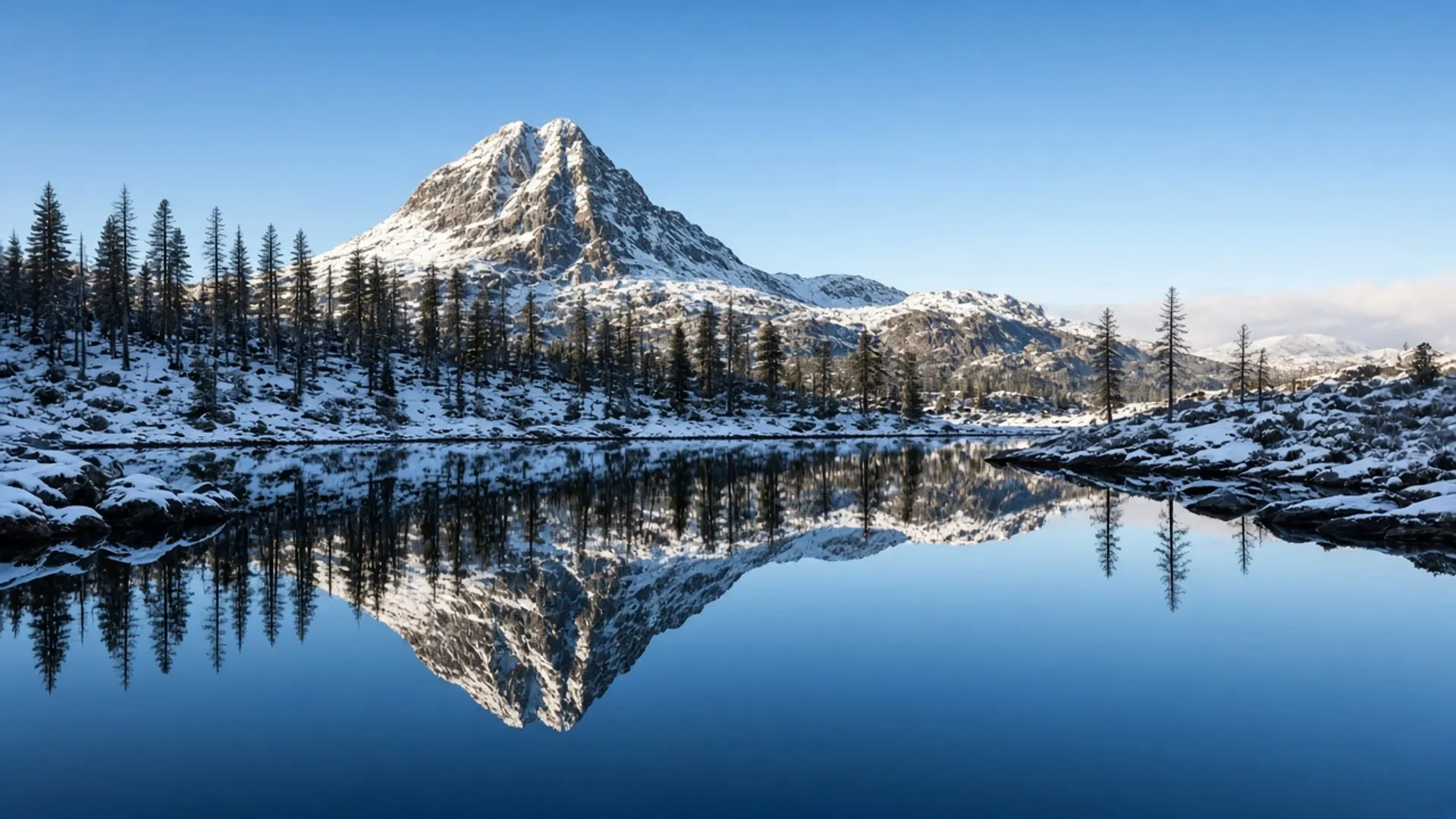
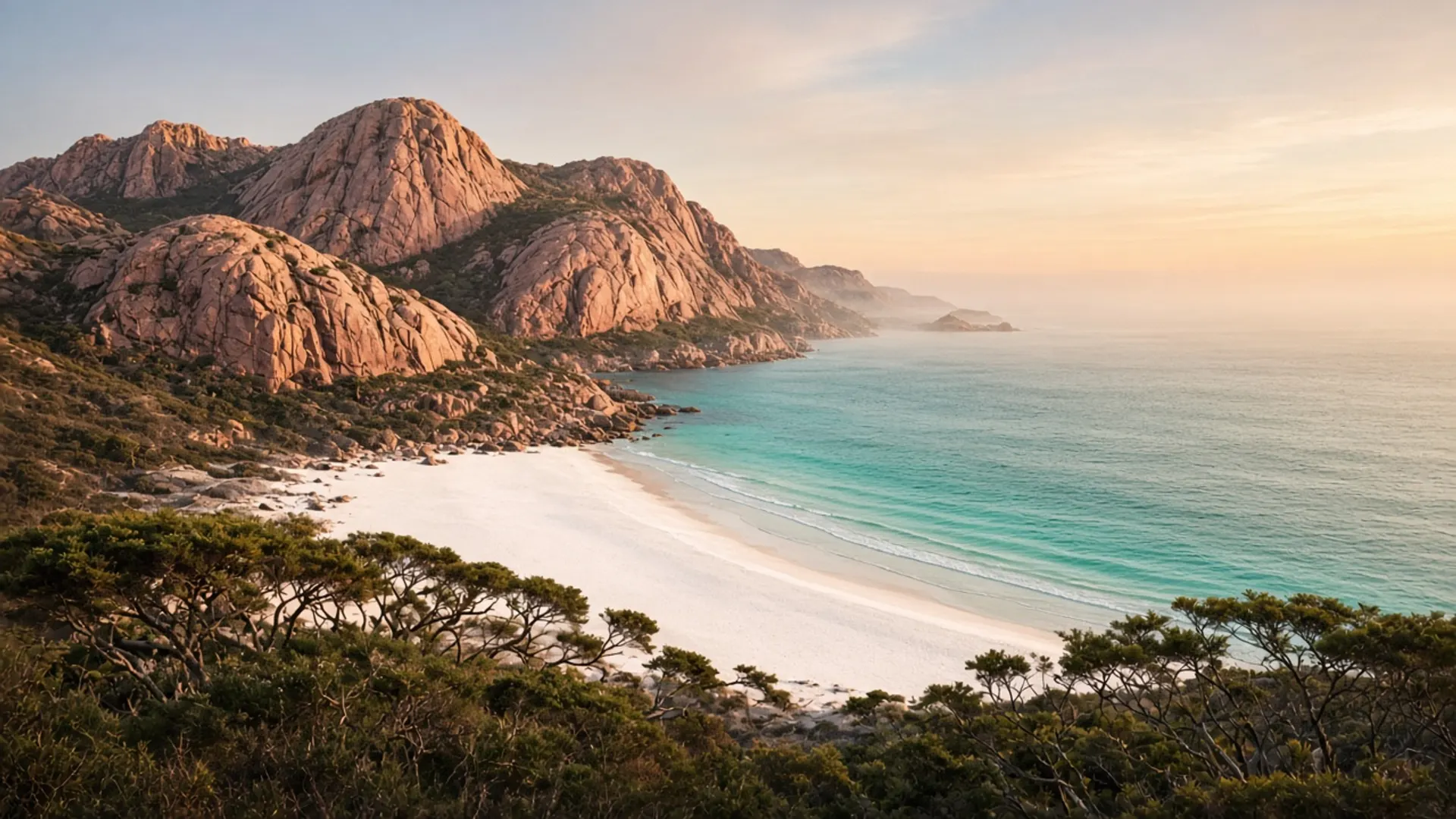
None of that means you should try to “do” the World Heritage area, Freycinet, Bruny, Cradle and a west-coast rainforest walk in a single hired hatchback week. It means the island rewards a decision about character. East-coast granite and sheltered bays are one character. Southern harbour, orchard and dolerite are another. West-coast rainforest, button-grass and weather are a third. Alpine country around Cradle Mountain–Lake St Clair and Ben Lomond is a fourth. Mixing two of those in a week can be beautiful. Mixing all of them is how people eat dinner in a car park after dark and remember only the drive.
Start with days, then pick a coast
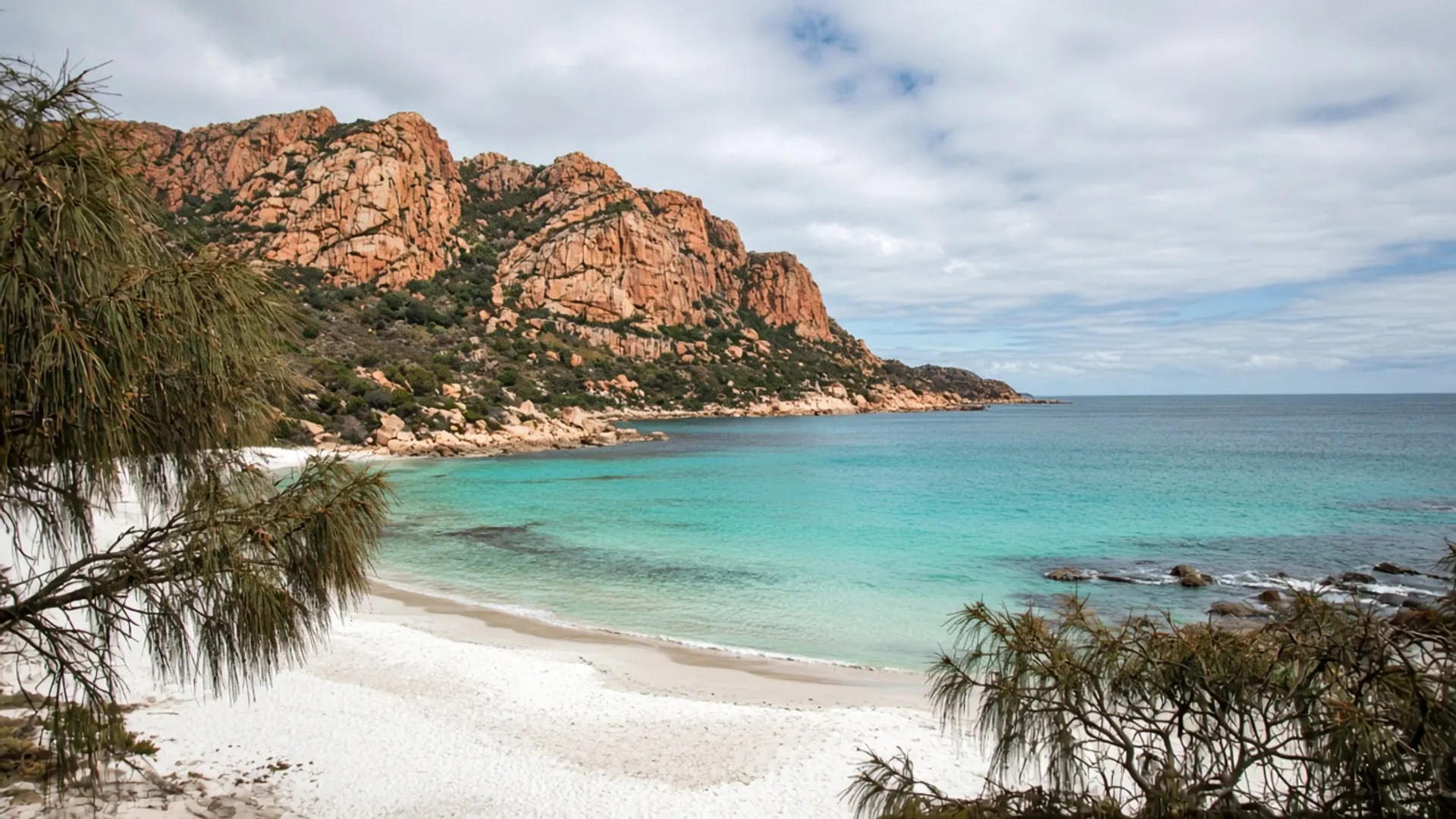
If you have three days, pick one coast and a home base. Our rebuilt three-day east-coast itinerary is the granite peninsula most first visitors already have in their head: Freycinet, the Wineglass Bay lookout, and the towns that stitch the peninsula back to Hobart or Launceston. The three-day southern loop stays with Hobart, kunanyi / Mount Wellington, the Huon and Bruny Island. It does not bolt a Cradle Mountain dawn onto a Saturday.
If you have four days and you want the wet west in the same trip as that famous east-coast bay, use the west-coast and Wineglass Bay sketch. Treat Wineglass as a day you protect, not a toilet stop between two rainforests.
If you have a week or more, you can join a southern start to an east-coast middle, or an east-coast start to a northern Tamar finish. You still should not treat the west as a shortcut. The west is the trip.
Tour or self-drive is a second question
Guided tour versus self-drive is not a moral test. It is a weather-and-attention test. A coach or small-group day from Hobart can be the honest way to see Bruny or the Tasman Peninsula if you do not want a hire-car morning. A self-drive week is the honest way to change your mind when a bay is calmer than a mountain. This guide does not rank operators and does not invent prices. Historical pass names that once appeared on this domain — including old attractions-card language — are context only.
Most visitors do not need a 4WD
Do you need a 4WD in Tasmania? For the sealed visitor circuits — Hobart to Freycinet, Hobart to the Huon, Launceston to the north coast, the Heritage Highway through Campbell Town — a carefully driven 2WD is the normal tool. Unsealed forestry roads, the Arthur-Pieman Conservation Area tracks, and remote west or north-east sand are a different category. Parks and council pages say when a track is 4WD only. We do not pretend a suburban SUV is a beach permit.
Season is not a slogan
Tasmania has four distinct seasons, which is rarer on the Australian mainland than marketing copy admits. High summer (December to February) is the warmest and the most crowded. Autumn is often the more reliable planning window: still days, deciduous colour in the settled valleys, fewer school-holiday queues. Winter is alpine and short-day. Spring is wind, blossom and changeable mountain snow. Read when to visit before you lock a ferry.
What this rebuild will not do
We will not invent a tour price. We will not crown a “best operator”. We will not quote a visitor we did not hear. We will not keep a 2024–26 spam slug because it once collected traffic. Heritage business names that survive from the old directory layer — a caravan park at Coles Bay, an old hall of fame, a historic mine interpretation — are labelled as historical listings, details unverified.
What we will do is keep clean paths, 301 the .htm and .html twins, and write the island in public facts: Parks Tasmania, Discover Tasmania, UNESCO and the World Heritage dossier, and the geography anyone can stand in. If a fact has aged, write to the desk. The official page still wins.